Travel Guide to the Amazon in Brazil: Dive into the Heart of Nature
The Amazon in Brazil, a name that evokes mystery and grandeur, is a destination that transcends imagination. For the traveler seeking a deep connection with nature and an authentic experience, this guide offers an essential overview for planning your adventure.
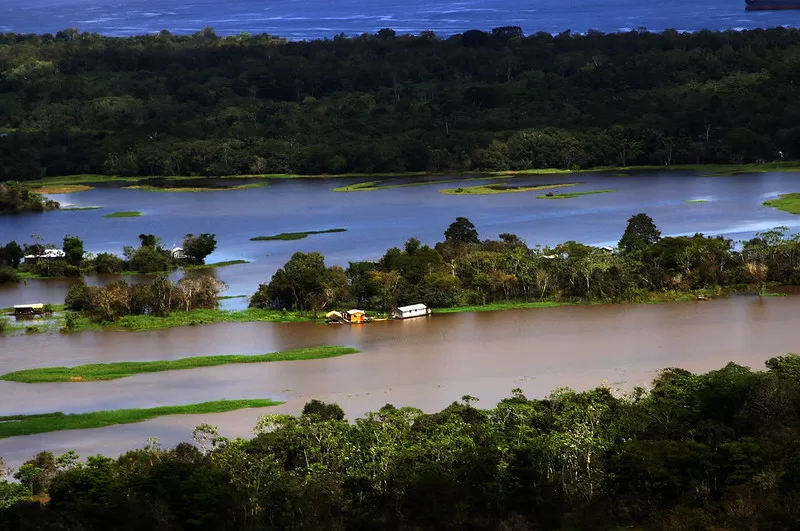
1. Why Visit the Amazon?
The Amazon is the “wellspring of the planet’s life,” a place of almost mythical status. It’s not just about admiring towering trees, secretive wildlife, and an impressive river. It’s an opportunity to immerse yourself in one of the most vital and fascinating ecosystems in the world, where nature dictates the pace and experiences are more sublime than superlative. It’s an invitation to discover the “little things” that make this legendary place so special.
2. What to Expect from Your Trip? (Demystifying Expectations)
Forget the idea of a live “Discovery Channel” experience, with jaguars in every tree and anacondas on every bank. The Amazon is vast, and wildlife is elusive. The true magic lies in subtle and immersive experiences:
- Sublime, Not Superlative: Prepare for moments of contemplation and connection, rather than constant spectacles.
- Nature Immersion: The beauty lies in feeling the humidity in the air, hearing the sounds of the forest, and observing life at its natural rhythm.
3. Essential Amazonian Experiences:
- Canoeing in Flooded Forests: One of the most magical experiences, especially in the wet season, where you can paddle among the trees and experience the forest from a unique perspective.
- Relaxing on an Upriver Boat: Dozing in a hammock while the boat winds its way upriver is an authentic way to experience the Amazonian pace.
- Waking to the Sounds of the Jungle: Waking to the “otherworldly cry of howler monkeys” is a natural symphony that marks your immersion in the forest.
- Wildlife Observation: While not guaranteed, patience can reward you with sightings of birds, monkeys, and other animals in their natural habitat.
4. Best Time to Visit (The Amazon’s Seasons):
The Amazon has two distinct seasons, and the choice depends on the type of experience you seek:
- Dry Season (June to December):
- Characteristics: River levels drop, warm temperatures.
- Advantages: Good period for wildlife spotting, as animals tend to concentrate near remaining water sources. Terrestrial trails are more accessible.
- Wet Season (January to May):
- Characteristics: Rain is possible (but generally not all day, every day), water levels rise.
- Advantages: Ideal for navigating “igarapés” and “igapós” (flooded forests), providing a unique canoeing experience among the trees. The forest becomes lush.
5. Special Events:
- Amazon Folk Festival (June – Manaus): If your trip is in June, Manaus hosts this fabulous festival. It’s an excellent time to be in the city and experience the rich local culture, with dances, music, and celebrations.
6. Starting Point and Base:
- Manaus: The capital of Amazonas is the main gateway to the region. It offers tourist infrastructure and serves as a starting point for most tours and expeditions.
Dangers for Tourists When Visiting the Amazon
Despite its beauty and grandeur, the Amazon presents certain risks for tourists, primarily due to its natural environment and the infrastructure in remote areas. It is crucial to be aware of these dangers to prepare adequately and minimize them.
Here are the main dangers for tourists when visiting the Amazon:
1. Health Risks:
- Mosquito-Borne Diseases:
- Malaria: This is a significant concern in the region. It is crucial to take necessary precautions, such as using effective repellents and, in some cases, prophylactic medication, as advised by a doctor.
- Yellow Fever: Vaccination against yellow fever is strongly recommended and, in many cases, mandatory for entering certain areas of the Amazon.
- Dengue, Zika, and Chikungunya: While not exclusive to the Amazon, these diseases are also transmitted by mosquitoes and can occur in the region.
- Other Infectious Diseases: The Amazon can have a high incidence of other infectious diseases, such as diarrheal diseases, respiratory illnesses, leishmaniasis, and viral hepatitis, especially in areas with limited basic sanitation.
- Air Quality (Wildfires): During certain periods, especially in the dry season, wildfires in the Amazon can cause significant air pollution, affecting respiratory health. Inhaling fine particles can irritate the lungs and lead to respiratory problems.
- Water Contamination: Water body pollution by mercury (due to illegal mining) and microbial contamination due to lack of sanitation in some areas can pose risks.
2. Wild Animals:
While most Amazonian animals avoid human contact, some can pose a danger if provoked or if tourists invade their space. It is crucial to follow guides’ instructions and not touch or feed animals.
- Venomous Snakes: The Amazon is home to various species of venomous snakes, such as pit vipers (jararacas), rattlesnakes, bushmasters, and true coral snakes. Accidents with pit vipers are the most frequent in Brazil.
- Spiders and Scorpions: Some species, such as the Brazilian wandering spider and the Tityus trivittatus scorpion, possess dangerous venom.
- Caimans: The black caiman is one of the largest predators in the Amazon basin and a nocturnal hunter.
- Piranhas: While they do not attack indiscriminately, piranhas can bite humans, especially if there is blood in the water or under conditions of extreme hunger, such as during a drought.
- Other Animals: Jaguars, anacondas, stingrays, and the candiru fish (known for entering bodily orifices) are other animals that, while rarely posing a direct threat to cautious tourists, are part of the ecosystem and should be respected.
3. Environmental and Natural Risks:
- Climate and Humidity: The hot and humid climate can lead to dehydration and heat exhaustion.
- Uneven Terrain: Forest trails can be slippery and uneven, increasing the risk of falls and injuries.
- Flooding: In the wet season, floods can create obstacles and alter routes.
- Disorientation: In remote areas, it is easy to get lost without an experienced guide.
4. Safety and Logistics-Related Risks:
- Lack of Communication: Cell phone coverage is non-existent in many rural areas, making communication difficult in an emergency.
- Remote Access: Transportation in many parts of the Amazon relies on 4×4 vehicles or boats, and access to specialized hospitals or clinics can be challenging.
- “Pirangagem” (Illegal Operators): There is a growing risk of hiring “pirangueiros” – individuals who operate without authorization or legal registration, promising cheap tours. This can result in unfulfilled services, being abandoned in the jungle, or lack of assistance in case of accidents. It is essential to hire legally registered and experienced agencies and guides.
- Personal Safety in Urban Areas: Like any large city, Manaus can present risks of theft, especially if tourists display cash or expensive items. It is advisable to use your phone cautiously on the street and avoid hostile areas at night.
- Exploitation of Wild Animals: Participating in tourist activities that involve handling or taking photos with captive wild animals is harmful to the animals and can lead to legal liability for the tourist.
How to Minimize Risks:
- Hire Reliable Guides and Agencies: This is the most important tip. Experienced local guides know the forest, its dangers, and how to avoid them.
- Vaccination and Prophylaxis: Consult a doctor before your trip to check necessary vaccinations (yellow fever, tetanus, hepatitis) and discuss malaria prophylaxis.
- First Aid Kit: Carry a kit with basic items and personal medications.
- Insect Repellent: Use repellents with a high concentration of DEET.
- Appropriate Clothing: Wear light, quick-drying, light-colored clothing that covers most of your body for protection against insects and the sun. UV-protective clothing is recommended.
- Hydration: Drink plenty of water to prevent dehydration.
- Respect Nature and Rules: Do not stray from marked trails, do not touch animals or plants, do not litter, and follow all guide instructions.
- Planning and Information: Research destinations, weather conditions, and potential risks. Inform family members about your itinerary.
- Travel Insurance: Purchasing travel insurance with coverage for medical emergencies and repatriation is highly recommended.
By taking proper precautions and traveling responsibly, tourists can enjoy a safe and unforgettable experience in the Amazon.
Final Tip:
The Amazon invites deep immersion. Give it time, be open to its subtleties, and prepare for an experience that will uniquely connect you with nature and local culture.