Tourism in Ubatuba, São Paulo State in Brazil
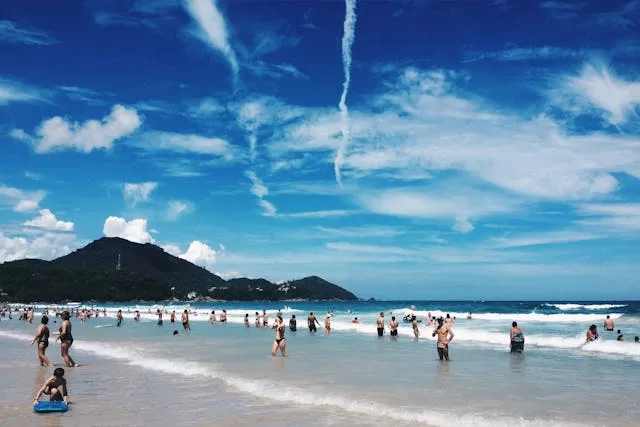
Ubatuba, one of São Paulo’s coastal gems, is a destination renowned for its diverse beaches, rich history, vibrant culture, and lush, seemingly untouched natural landscapes. Located in the northern region of São Paulo State, the city is globally recognized for its perfect surf waves, paradisiacal beaches, and strong commitment to environmental preservation. With over 102 cataloged beaches, Ubatuba offers options for every taste—from lively beaches with full infrastructure to secluded, almost deserted hideaways, ideal for those seeking tranquility and direct contact with nature.
The History of Ubatuba: From Tupinambá Indigenous Peoples to a Tourist Destination
Ubatuba’s history dates back to pre-colonial times, when the Tupinambá indigenous people were the first inhabitants of the region. These skilled canoeists lived in harmony with nature, utilizing resources from the sea and the Atlantic Forest. The area, then known as Iperoig Village, was the site of significant historical moments, such as the signing of the Peace Treaty of Iperoig in 1563, one of the earliest attempts at peace between indigenous peoples and Portuguese colonizers.
The arrival of the Portuguese and French brought conflicts and alliances that shaped local history. The Tupinambá, led by Cunhambebe, formed the Tamoios Confederation, a union of tribes resisting European dominance. Jesuit Padre Anchieta, sent by the Portuguese government, played a crucial role in efforts to pacify the region, culminating in a treaty that expelled the French and established peace. This history of resistance and peaceful coexistence with nature remains a core part of Ubatuba’s identity today.
In the 17th century, the city began to develop economically through subsistence agriculture, aguardente (distilled spirits), sugar production, and maritime trade. Its political emancipation occurred in 1637, when it was elevated to the status of a town, named Vila Nova da Exaltação da Santa Cruz do Salvador de Ubatuba. During the 18th century, the economy expanded with sugarcane plantations, saltfish trade, and tobacco.
However, economic decline set in during the 19th century, with trade shifting to the port of Santos and the decline of the coffee cycle in the region. Ubatuba entered a period of isolation and decline that lasted until the 20th century, when infrastructure improvements, such as the construction of the Oswaldo Cruz Highway, reopened the city to tourism and economic growth. From the 1950s onward, Ubatuba experienced a growing influx of visitors, establishing itself as one of the leading destinations along São Paulo’s coast.
Geography and Climate: An Ecological Paradise
Ubatuba covers approximately 748 km², with over 80 km of coastline dotted with bays, islands, and beaches of various sizes and characteristics. Its geography features mountainous terrain, with the Serra do Mar mountain range in the background, and extensive Atlantic Forest covering much of the territory, safeguarding local biodiversity.
The region’s climate is tropical humid, with average temperatures ranging from 24°C to 35°C during summer, making it an ideal destination for outdoor activities such as surfing, diving, hiking, and boat trips. The relative humidity is high, and rainfall is frequent, especially from December to March, contributing to the lushness of the vegetation.
Beaches of Ubatuba: Diversity and Natural Beauty
Ubatuba’s wealth of beaches is one of its greatest attractions. Each offers unique features, catering to different preferences of tourists and locals alike. Here is a detailed overview of the main beaches, divided by regions for easier planning.
Southern Beaches: Tranquility, Nature, and Adventure
The southern region is known for its more isolated beaches, surrounded by preserved vegetation and often accessible via trails or boats. Notable beaches include:
- Bonete Beach: Considered one of the most paradisiacal beaches, accessible only by a roughly one-hour trail or boat trips. Its white sands and crystal-clear waters make it a perfect retreat for those seeking contact with nature and tranquility. It’s family-friendly, ideal for families and couples wanting to escape the hustle.
- Grande do Bonete Beach: An extensive stretch of sand with strong waves and a rustic environment, perfect for surfers and adventurers. The local community maintains traditional customs, making visits a unique cultural experience.
- Deserted Beach and Cedro do Sul Beach: Surrounded by preserved forest, these beaches offer an almost untouched scenery, with calm waters and fine sand—ideal for those seeking silence and direct contact with nature.
- Fortaleza Beach: Accessible by trail or boat, famous for its natural beauty and as a starting point for trails leading to more isolated beaches.
Central Beaches: Urban Life and Infrastructure
The central region hosts the most bustling beaches, equipped with full infrastructure, kiosks, restaurants, and leisure options. Key beaches include:
- Praia Grande: The most visited beach in the city, with approximately 1.6 km of sandy shoreline, featuring kiosks, shops, bars, and a lively atmosphere. Perfect for those who enjoy vibrant environments, water sports, and nightlife.
- Itaguá Beach: Close to the city center, offering a promenade with bars, restaurants, and craft shops. It’s a great spot for evening strolls, with options for diving and water sports.
- Enseada Beach: Calm waters and good infrastructure make it an excellent choice for families and those interested in stand-up paddleboarding, kayaking, or boat tours.
- Santa Rita Beach: Less crowded, with calm waters and crystal-clear sea, ideal for those seeking tranquility and a close connection with nature.
Northern Beaches: Preserved Nature and Wild Beauty
The northern region is characterized by nearly untouched beaches, many accessible via trails or boats, within protected areas. Highlights include:
- Fêlix Beach: One of the most popular in the North, with transparent waters, good surf, and kiosks. It neighbors the Portuguese and Conchas beaches, both excellent for snorkeling.
- Prumirim Beach: Accessible by trail or boat, offering a blend of natural beauty and infrastructure, with lodging and dining options.
- Couves Island: An unmissable trip, with white sandy beaches and crystal-clear waters. Accessible by local fishing boats or schooners, perfect for diving and snorkeling.
- Picinguaba Beach: Small and charming, with calm waters and a rustic environment, ideal for those seeking peace and quiet.
Activities and Tours in Ubatuba
Beyond beaches, Ubatuba offers a wide range of outdoor and cultural activities:
- Hiking and Waterfalls: The Seven Beaches Trail is one of the most famous, leading to deserted beaches and hidden waterfalls within the Atlantic Forest. Other trails, such as Corcovado and Bonete, offer spectacular views and ecological encounters.
- Projeto Tamar: One of the main attractions, this sea turtle conservation center provides educational activities and opportunities to learn about marine fauna preservation.
- Anchieta Island: A state park with trails, beaches, and a rich history, perfect for family day trips.
- Culture and Heritage: Ubatuba’s historic center features old churches, museums, and monuments narrating local history, including the famous Cruz do Cruzeiro, which offers panoramic city views.
- Water Sports: Surfing, stand-up paddleboarding, diving, sport fishing, and sailing are popular, especially at Itamambuca and Vermelha do Norte beaches.
- Ecotourism: Protected areas like Serra do Mar State Park and Bocaina National Park offer trails, birdwatching, and biodiversity experiences.
Local Cuisine and Culture
Ubatuba’s cuisine is centered around seafood, with fresh fish, shrimp, crab, and squid featured prominently. Beachside kiosks and restaurants serve authentic dishes, blending traditional flavors with international influences. The city also boasts a vibrant local culture, with festivals, craft fairs, and cultural events throughout the year.
The annual Fisherman’s Festival celebrates the city’s fishing traditions, featuring music, food, and cultural activities. Local crafts, made from natural materials like imbirá, straw, and shells, reflect the Caiçara and indigenous cultures and are available at markets and artisan shops.
How to Get There and Accommodation
Ubatuba is accessible by land, with main routes from São Paulo via the Presidente Dutra Highway, Ayrton Senna/Carvalho Pinto, or BR-101. The drive takes approximately three hours, depending on traffic. For air travelers, São José dos Campos Airport is the closest, with options to reach Ubatuba by car or ride-sharing.
The city offers a broad range of accommodations, including hotels, pousadas, campgrounds, and vacation rentals. Prices vary seasonally, with higher rates during peak season (December to February). It’s advisable to book in advance, especially during holidays and school vacations.
Preservation and Sustainability
Ubatuba is committed to environmental conservation, with three protected parks, including Serra do Mar State Park, covering much of the territory. An Environmental Preservation Tax is levied on vehicles entering the city to fund conservation efforts.
The city promotes environmental education, sustainable tourism, and the preservation of Caiçara and indigenous cultures, ensuring future generations can enjoy its natural and cultural riches.
Ubatuba combines history, culture, nature, and adventure, offering unforgettable experiences for all travelers. Whether surfing at Itamambuca, exploring waterfalls and trails, visiting idyllic islands, or relaxing on a deserted beach, it’s a true ecological and cultural paradise. Its rich history, marked by indigenous resistance and colonization, is reflected in its traditions and natural beauty.
Planning a trip to Ubatuba guarantees days of deep contact with nature, cultural discoveries, and leisure in breathtaking scenery. With infrastructure catering to diverse needs, the city invites everyone to explore its treasures and fall in love with this piece of São Paulo’s coast—undoubtedly one of Brazil’s most enchanting destinations.