The Pantanal in Brazil: An Ecological Treasure of Inestimable Value
The Pantanal is one of the largest and most vibrant wetland ecosystems on the planet, primarily located in Brazil, with extensions into Bolivia and Paraguay. Covering approximately 210,000 km², this expansive floodplain represents one of the highest concentrations of biodiversity worldwide, serving as a sanctuary for wildlife and exemplifying ecological balance that warrants ongoing attention and protection.
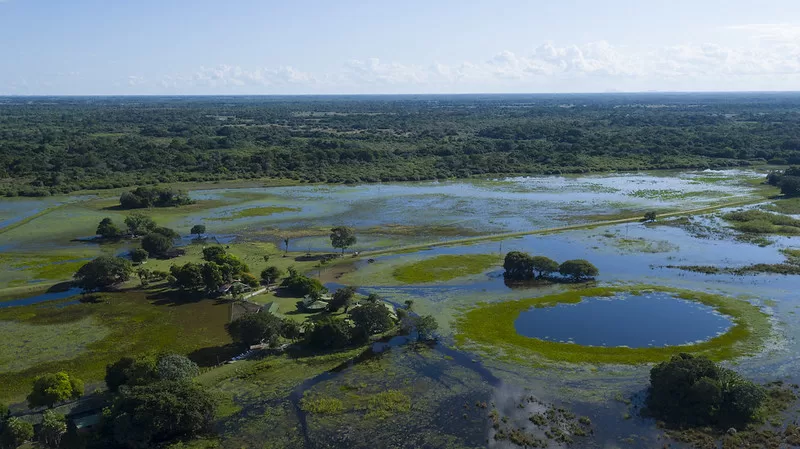
Location and Extent
According to the information presented, the Pantanal spans around 210,000 km², with 80% of this area in Brazil, 10% in Bolivia, and 10% in Paraguay. Its maximum elevation is approximately 150 meters above sea level, contributing to the formation of a vast seasonal floodplain that fills with water during rainy periods and recedes during dry seasons, creating a unique and dynamic lifecycle.
The region is characterized by a combination of swamps, gallery forests, grasslands, palm groves, and forests along lakes and rivers. This diversity of habitats fosters a wide variety of plant and animal species, many of which are endemic or threatened.
Geographical and Climatic Features
The Pantanal is a floodplain, meaning it experiences periodic flooding primarily driven by regional rainfall patterns. The annual rainfall averages around 1,600 mm, concentrated mainly from November to March during the summer months. This rainfall causes rivers and lakes to fill, creating a rich and vibrant aquatic ecosystem.
The region boasts impressive biodiversity, with flora and fauna adapted to flooding conditions and seasonal water fluctuations. The tropical climate features high daytime temperatures and humidity variations that support a vast array of species.
Biodiversity and Ecosystem
The Pantanal is considered one of the most significant wildlife concentrations on Earth, comparable to East Africa, due to its spectacular number of birds, mammals, and reptiles. Among the bird species, notable examples include herons, toucans, macaws, caimans, capybaras, jaguars, ocelots, tapirs, deer, and countless fish that form the ecosystem’s food chain.
The diversity of species is so extensive that the Pantanal hosts over 650 bird species, 129 mammal species, 177 reptile species, and 325 fish species, in addition to numerous insects and plants. This biological wealth results from millions of years of evolution, adaptation, and natural balance, making the Pantanal a true biodiversity laboratory.
Highlighted Species
- Jaguar (Panthera onca): The largest feline in the Americas, symbolizing strength and agility, playing a crucial role in controlling populations of other species.
- Hyacinth Macaw (Anodorhynchus hyacinthinus): One of the largest macaws in the world, representing conservation and beauty.
- Capybara (Hydrochoerus hydrochaeris): The largest rodent in the world, emblematic of aquatic fauna.
- Caiman (Caiman crocodilus): Apex predator within the aquatic food chain.
- Deer and Tapirs: Herbivores that contribute to ecological balance.
Ecological and Economic Significance
The Pantanal plays a vital role in maintaining regional environmental stability. Its capacity to regulate the water cycle, control floods, and recharge aquifers is essential for the health of the regional ecosystem and adjacent areas. Additionally, its biodiversity is a valuable resource for genetic material, with significant potential for eco-tourism and scientific research.
Birdwatching, photographic safaris, and ecotourism are among the region’s primary sustainable economic activities, generating income for local communities and promoting environmental preservation. Its scenic beauty, combined with species diversity, attracts visitors from around the world seeking authentic nature experiences.
Threats to the Pantanal
Despite its importance, the Pantanal faces numerous threats that jeopardize its ecological integrity. The main threats include:
Deforestation and Fires
Agricultural expansion, livestock farming, and logging contribute to deforestation and habitat degradation. Human-induced fires often destroy habitats and threaten flora and fauna.
Unsustainable Resource Use
Overexploitation of resources, such as illegal fishing, hunting, and plant harvesting, compromises biodiversity and ecosystem balance.
Climate Change
Global temperature increases and shifts in rainfall patterns alter flooding cycles, affecting species reproduction and water resource availability.
Infrastructure and Urbanization
Infrastructure projects like roads, hydroelectric plants, and urban expansion fragment natural habitats, hindering animal movement and ecological stability.
Pollution
Waste disposal, agricultural chemicals, and industrial residues contaminate rivers and lakes, harming aquatic life and terrestrial animals dependent on these resources.
The Importance of Conservation
The preservation of the Pantanal is a collective responsibility involving governments, local communities, NGOs, and civil society. Conservation efforts are not only about protecting species and habitats but also about ensuring the sustainability of an ecosystem that sustains millions of human and animal lives.
Protective Measures
- Creation of Protected Areas: Reserves and national parks to safeguard essential habitats.
- Strict Environmental Legislation: Laws to prevent illegal activities and promote sustainable resource use.
- Environmental Education: Programs to raise awareness about the importance of the Pantanal.
- Scientific Research: Studies providing data for decision-making and management strategies.
- Promotion of Sustainable Ecotourism: Activities that generate income without harming the environment.
Successful Initiatives
Local community projects promoting ecotourism, sustainable resource management, and environmental education have demonstrated that economic development can be aligned with conservation. The involvement of international and national organizations has been crucial in implementing policies for protection and recovery of degraded areas.
Society’s Role
Every individual can contribute to the preservation of the Pantanal through simple actions such as avoiding products that incentivize deforestation, supporting conservation projects, practicing responsible tourism, and raising awareness about the region’s significance.
Understanding the fragility of this ecosystem and the need for concrete actions is essential to ensure future generations can enjoy the beauty and biodiversity of the Pantanal.
The Pantanal is a ecological jewel of Brazil and the world—a living example of how nature can create environments of unparalleled beauty and exuberant biodiversity. Its preservation is a collective responsibility that requires coordinated and committed actions from all sectors of society.
The richness of species, ecological importance, and sustainable economic potential make it a patrimony that must be fiercely protected. Threats of destruction and degradation cannot outweigh the inestimable value this region holds for planetary balance.
Conserving the Pantanal is, therefore, a matter of survival, respect for life, and a commitment to the future of our planet. It is a task for all of us to continue admiring, studying, and learning from this unique ecosystem, which truly reflects the richness and complexity of nature.