The Mountain Route: A Journey Through Brazil’s Mountain Towns
In today’s fast-paced world, where urban routines increasingly demand our time and energy, stress and anxiety have become almost inseparable companions of daily life. São Paulo, Rio de Janeiro, and other major economic and cultural centers in Brazil offer a hectic lifestyle filled with commitments, traffic congestion, and pollution. However, many individuals are seeking alternatives that provide moments of peace, contact with nature, and a more temperate climate. In this context, mountain towns emerge as ideal destinations to escape the routine, rejuvenate, and enjoy a higher quality of life closer to nature.
The Charm of Mountain Towns
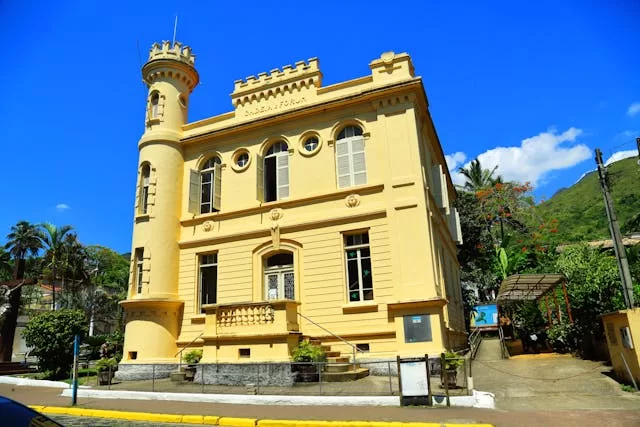
Brazilian mountain towns are steadily gaining popularity among visitors and residents alike who desire to break free from urban chaos and experience something different. Located in mountainous regions, these areas offer not only a cooler and more pleasant climate—especially during summer—but also breathtaking scenery filled with lush vegetation, rivers, waterfalls, and an atmosphere reminiscent of rural tranquility.
The architecture in these towns is often charming, inspired by European styles, with alpine-style buildings, wooden chalets, and inviting streets that encourage leisure and relaxation. Beyond their aesthetic appeal, these towns are rich in culture, gastronomy, and outdoor activities suitable for both those seeking relaxation and adventure enthusiasts eager to explore nature.
Campos do Jordão: The Brazilian Switzerland
For residents of São Paulo and the surrounding region, Campos do Jordão is among the most popular options, located approximately 120 miles from the capital. Known as the “Brazilian Switzerland,” this city is celebrated for its architecture, climate, and high standard of living.
Climate, Landscape, and Tourism
Situated in the Mantiqueira Mountain Range at an altitude of around 5,340 feet (1,628 meters), Campos do Jordão enjoys cooler temperatures even during the hottest months, with winter temperatures sometimes dropping below freezing. This makes it an ideal escape for those looking to avoid the intense heat of urban centers. The landscape features mountains, green valleys, and panoramic views, with the Elephant Hill (Morro do Elefante) being a standout attraction accessible via cable car from the lively neighborhood of Capivari.
Gastronomy and Culture
The city’s culinary scene is a highlight, offering European-inspired dishes such as fondues, cheeses, and chocolates, reflecting its Swiss influences. Craft beers also hold a prominent place, notably Baden Baden—a local brewery that’s open for tours, allowing visitors to witness the brewing process firsthand and taste a variety of craft styles.
Events and Leisure Activities
One of the city’s key events is the International Winter Festival, Latin America’s largest classical music gathering, with over 40 performances—many of which are free—held predominantly in Capivari Square, the heart of the city, filled with shops, cafés, restaurants, and vibrant nightlife.
For outdoor exploration, there’s the cable car ride to the Elephant Hill viewpoint, offering a spectacular view of the Mantiqueira Range. Additionally, the Pedra do Baú complex near São Bento do Sapucaí appeals to adventure seekers interested in climbing or simply enjoying the surrounding nature.
Petrópolis and Teresópolis: Treasures of the Mountains in Rio de Janeiro
Moving to the state of Rio de Janeiro, two mountain towns stand out as ideal destinations for a quick, historic getaway: Petrópolis and Teresópolis.
Petrópolis: The Imperial City
Located just over an hour from Rio de Janeiro, Petrópolis is renowned for its historical legacy, having been the summer residence of the Brazilian Imperial Family. The city offers a rich cultural and historical itinerary, featuring attractions that evoke the era of the Brazilian Empire.
Historic and Cultural Highlights
The Imperial Museum is a must-visit, housing an extensive collection of artifacts, furniture, clothing, and documents related to Brazil’s imperial past, including the crown adorned with diamonds and pearls of Dom Pedro II. The St. Peter of Alcantara Cathedral, styled in Gothic architecture, contains tombs of members of the imperial family, becoming a central piece in the city’s history.
Other noteworthy sites include the Crystal Palace, built in the 19th century for social events, the Santos Dumont House, dedicated to the famous Brazilian aviation pioneer, and the Ipiranga House, featuring a chandelier inspired by the Palace of Versailles in France.
For family fun, the Wax Museum offers a lively experience with realistic statues of notable figures such as Dom Pedro II, Einstein, Batman, and Jack Sparrow.
Cerveceria as a Cultural Heritage
Like Campos do Jordão, Petrópolis boasts a vibrant craft beer scene. The historic Bohêmio Brewery, one of Brazil’s oldest, has been transformed into the Beer Experience Center, a 7,000-square-meter space that offers an interactive journey through the history, myths, and curiosities of beer, including tastings of various styles.
Itaipava and Nightlife
For a more sophisticated experience, the Itaipava district features country clubs, upscale restaurants, and some of the region’s most vibrant nightlife venues. The Itaipava Station Shopping Mall and the Itaipava Fair, with nearly 400 shops offering clothing, accessories, and local cuisine, are popular leisure and shopping destinations.
Teresópolis: Pure Nature
Teresópolis offers a more tranquil environment, perfect for those seeking to immerse themselves in nature. Its primary attraction is the Serra dos Órgãos National Park, an expansive green space with hiking trails of various difficulty levels, waterfalls, and diverse wildlife. It is a true haven for eco-tourism and adventure enthusiasts.
Another highlight is the St. Gallen Village, a craft beer complex producing the traditional Therezópolis Gold, a beer rooted in the city’s history and centuries-old brewing tradition.
The Significance of Mountain Tourism
Brazilian mountain towns embody more than mere tourist destinations; they are sanctuaries of peace and quality of life, as well as centers of culture and tradition. With infrastructure that blends historic charm with modern comfort, these regions offer unique experiences, from music festivals and gastronomy to scenic hikes and heritage sites.
Furthermore, tourism in these areas contributes to local economic development, promotes environmental preservation, and encourages the appreciation of regional cultures. It fosters a sustainable connection with nature while providing visitors with comfort, charm, and authentic experiences.
The Mountain Route is undoubtedly a path of enchantment and renewal. Whether through the scenic landscapes of Campos do Jordão, the historical richness of Petrópolis, the peacefulness of Teresópolis, or the natural beauty of nearby towns like Itaipava, each location offers an ideal opportunity to disconnect from routine, reconnect with nature, and immerse oneself in a diverse cultural landscape.
For those seeking to escape the stresses of urban life, Brazil’s mountain towns are the perfect destination to recharge, create new memories, and rediscover the joy of simple yet unforgettable moments. After all, true luxury lies in peace of mind and the beauty offered by nature and history—abundantly found in these mountain regions.
Simply put, the Mountain Route is a journey of wellness, culture, and beauty worth exploring.