The Brazilian Amazon: A Comprehensive Guide for Your Unforgettable Adventure
Prepare for a journey that transcends the ordinary, a deep immersion into the pulsating heart of our planet: the Brazilian Amazon. This is an invitation to explore the world’s largest tropical biome, a sanctuary of biodiversity and culture, where nature manifests in its grandest form and life pulsates in every corner. Far from conventional tourist routes, the Amazon offers an authentic, transformative, and unforgettable experience, filled with encounters with wildlife, breathtaking landscapes, and the rich cultural tapestry of the forest peoples.
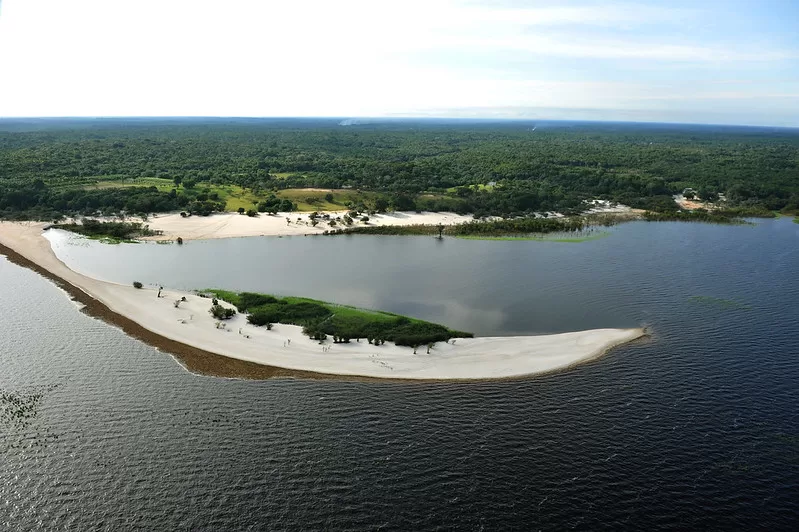
In this guide, we will unveil the highlights that make the Amazon a dream destination for ecotourists, adventurers, and all those seeking a genuine connection with nature and its wonders.
Manaus: The Urban Heart of the Amazon
Our journey begins in Manaus, the vibrant capital of Amazonas state, a majestic metropolis emerging amidst the vastness of the forest. Manaus is the gateway to the Brazilian Amazon, an essential starting point for most river and land expeditions. The city, which flourished during the rubber boom of the late 19th and early 20th centuries, is a testament to the region’s wealth and history, with architecture reflecting its opulent past.
Manaus’s ultimate icon is, without a doubt, the Amazon Theatre (Teatro Amazonas). This architectural gem, inaugurated in 1896, symbolizes the golden age of rubber, with its colorful dome, intricate details, and luxurious interior reminiscent of European opulence. Visiting the theater is like traveling back in time, imagining the grand operas and performances that once graced its stage.
Another must-visit is the Adolpho Lisboa Municipal Market (Mercado Municipal Adolpho Lisboa), a historic market dating back to the early 20th century. Inspired by Les Halles in Paris, its wrought-iron structure houses an explosion of Amazonian colors, smells, and flavors. Here, you’ll find an impressive variety of fresh fish, exotic fruits, medicinal herbs, local handicrafts, and regional delicacies. It’s the perfect place to feel the pulse of Manaus life and sample local cuisine.
Still in Manaus, be sure to witness the spectacular Meeting of the Waters (Encontro das Águas), a natural phenomenon where the dark waters of the Rio Negro and the muddy waters of the Solimões River run side-by-side for miles without mixing. This visual distinction is caused by differences in temperature, speed, and density of the two rivers’ waters, creating a stunning visual spectacle. The best way to witness this phenomenon is via a boat trip, which usually includes stops for observing pink river dolphins and visiting riverside communities.
For a moment of leisure and relaxation, Ponta Negra Beach (Praia da Ponta Negra) offers golden sands and inviting waters of the Rio Negro, making it a popular spot for locals and visitors, especially at sunset.
Belém: The Eastern Gateway to the Amazon
To the east, at the mouth of the Amazon River, lies Belém, the capital of Pará. This port city is a cultural melting pot, where indigenous, African, and European influences blend in a vibrant and welcoming atmosphere. Belém is an alternative starting point for exploring the Amazon, offering a different perspective of the region.
The pulsating heart of Belém is the Ver-o-Peso Market (Mercado Ver-o-Peso), one of the largest open-air markets in Latin America. Located on the banks of Guajará Bay, the market is a feast for the senses, with stalls selling everything from fresh fish, Amazonian herbs, exotic fruits, handicrafts, and an endless array of regional products. It’s the ideal place to experience the rich Pará cuisine, famous for dishes like tacacá, pato no tucupi, and açaí.
Near Ver-o-Peso, the Docas Station (Estação das Docas) is a tourist complex that revitalized old port warehouses. With restaurants, bars, handicraft shops, and a theater, it’s an excellent place to enjoy local gastronomy, appreciate the bay view, and watch the sunset.
Other highlights include the Mangal das Garças, a zoobotanical park offering a green refuge in the middle of the city, with birds, iguanas, and butterflies, and the Feliz Lusitânia Complex, which houses the Forte do Presépio, Casa das Onze Janelas, and Catedral da Sé, telling the history of the region’s colonization.
Immersion in Wild Nature: Reserves and Forests
The true essence of the Amazon lies in its conservation areas, where biodiversity is protected and interaction with nature is most intense.
Mamirauá Reserve: Wildlife Sanctuary and Sustainability
The Mamirauá Reserve is a remarkable example of conservation and sustainable tourism. Located in the Amazonian várzea, a seasonally flooded forest area, the reserve is the world’s largest protected várzea area. The annual variation in water level, which can reach 10 meters, creates a dynamic and unique ecosystem.
Mamirauá is a paradise for wildlife observation. It is one of the few places where it’s possible to spot the rare white uakari monkey, an endemic species to the region. Additionally, the reserve is home to populations of jaguars, pink river dolphins, black caimans, and a multitude of bird and fish species. During the dry season, it’s possible to hike through the forest, while in the wet season, exploration is done by canoe, allowing access to flooded forest areas.
The Pousada Uacari, a community-based ecotourism initiative, offers an immersive experience, allowing visitors not only to observe the rich fauna but also to learn about the culture of the riverside communities and contribute to local biodiversity conservation. The lodge is a successful model of responsible tourism, generating income for communities and promoting sustainability.
Baixo Rio Branco-Jauaperi Extractive Reserve: The Authentic Amazon
The Baixo Rio Branco-Jauaperi Extractive Reserve offers an opportunity to explore the Amazon in its most authentic state. While specific tourism information may be less detailed than for Mamirauá, Extractive Reserves are sustainable use areas aimed at protecting the livelihoods and culture of traditional populations, such as riverside dwellers and extractivists. Tourism in these areas is often community-based, providing a deep immersion into local life, learning about sustainable forest management and fishing practices, and participating in daily activities with residents. It’s a chance to see the Amazon as it once was, with endless forests, waterways, and abundant wildlife.
Tapajós National Forest: Forest Giants and Communities
Near Alter do Chão, the Tapajós National Forest (FLONA Tapajós) is an unmissable destination for those seeking forest immersion. With over 527,000 hectares, FLONA is known for its gigantic trees, including the sumaúma, considered the “tree of life” by indigenous peoples, and rubber trees.
Tours through FLONA Tapajós go beyond simple nature observation. Local guides, many of whom are members of communities living within the forest, lead visitors along dense trails, explaining the flora and fauna, the medicinal use of plants, and the difference between secondary and primary forest. It’s possible to take day trips or even stay overnight in forest camps or on the banks of the Tapajós River for an even deeper experience.
FLONA Tapajós is an example of ecotourism and community-based tourism, where visitors can interact with local communities, learn about their ways of life, and purchase handicrafts made from forest materials. Birdwatching is also a popular activity in FLONA, which boasts rich birdlife.
Urubu River: The Wild Amazon
For the more adventurous, the Urubu River offers an experience of the wild Amazon. Although less known and with less developed tourist infrastructure, the Urubu River is ideal for those seeking a more rustic and isolated adventure. The region is suitable for activities such as sport fishing, observing birds and mammals in their natural habitat, and jungle camping. It’s a destination for those who truly want to disconnect and experience nature in its most untouched form, often with the support of experienced local guides who know the region intimately.
Riverine Paradises and Relaxation: Beaches and Lakes
The Amazon is not just dense forest; it also surprises with its freshwater beaches and serene lakes.
Alter do Chão: The Amazonian Caribbean
Considered by many as the “Amazonian Caribbean” and voted one of Brazil’s most beautiful freshwater beaches, Alter do Chão is a charming village near Santarém, Pará. Its white sand beaches and clear waters of the Tapajós River emerge during the “Amazonian summer,” between August and December, when the water level drops.
The main postcard is the Ilha do Amor (Island of Love), a strip of sand that forms in front of the village, accessible by small canoes. In addition to relaxing on the beaches, Alter do Chão offers various ecotourism activities, such as forest trails, boat trips along the Tapajós and Arapiuns rivers, visits to riverside and indigenous communities, and exploration of igarapés (small waterways) and lakes.
Lago Verde (Green Lake), with its greenish waters and lush vegetation, is another highlight, ideal for swimming and canoe trips. The local culture is vibrant, with emphasis on the Sairé Festival in September, which celebrates the region’s indigenous and folkloric culture.
Maicá Lake: Wildlife-Rich Wetlands
Near Santarém, Maicá Lake is a várzea area rich in wildlife, ideal for boat trips. During the wet season, the lake connects to the Amazon River, attracting a wide variety of aquatic birds, caimans, and fish. It’s an excellent spot for birdwatching and enjoying the tranquility of the Amazonian aquatic landscapes. Boat trips allow for a silent approach to local fauna, providing unique moments of contact with nature.
The Regional Boat Experience: Navigating the Amazon
One of the most authentic and immersive ways to explore the Amazon is through a regional boat trip. Connecting cities like Manaus and Santarém, these boats offer a unique perspective of life along the Amazonian rivers. Traveling by boat allows you to observe the constantly changing landscape, riverside life, and feel the rhythm of the forest.
Many of these boats offer the option of traveling in hammocks, a culturally rich experience that allows interaction with locals and other travelers. It’s an economical and genuine way to get around the region, providing a deeper connection with the Amazon’s environment and people. In addition to regional boats, there are more luxurious river cruise options that offer comfort and itineraries with guided activities, such as pink river dolphin observation, piranha fishing, and nocturnal expeditions.
Essential Tips for the Amazon Traveler
To ensure your Amazon adventure is safe, comfortable, and unforgettable, some tips are essential:
Best Time to Visit
The Amazon has two main seasons: the wet season (December to May) and the dry season (June to November).
- Wet Season: Rivers rise significantly, flooding parts of the forest. This allows for exploring deeper forest areas by boat or canoe, like the “Enchanted Forest” in Alter do Chão. It’s a great time to observe aquatic life and birds.
- Dry Season: River levels drop, revealing freshwater beaches and land trails. It’s ideal for forest hikes and spotting terrestrial animals that congregate near the rivers.
Both seasons offer unique experiences, and the choice depends on the type of activity you seek. The climate is hot and humid year-round, with frequent rains, even in the dry season.
What to Pack
Traveling to the Amazon requires smart packing:
- Clothing: Lightweight, quick-drying, breathable, and neutral-colored (light green, gray, beige) to avoid startling animals. Long-sleeved shirts and long pants are essential for protection against insects and sun.
- Footwear: Waterproof hiking boots or sturdy sneakers for trails. Sandals or water shoes are useful for boat trips. Many lodges provide rubber boots.
- Protection: Insect repellent (with DEET), sunscreen (SPF 30 or higher), sunglasses, and a wide-brimmed hat.
- Equipment: Raincoat or poncho, small backpack for day trips, dry bags to protect electronics and documents, binoculars (essential for wildlife viewing), waterproof camera.
- Health: Personal medications, basic first-aid kit, hand sanitizer, and a reusable water bottle for constant hydration.
Health Precautions
Consulting a doctor or travel clinic in advance is crucial. Vaccinations such as yellow fever, hepatitis A and B are often recommended. Discuss the need for malaria prophylaxis, depending on the region and time of year. Stay hydrated and avoid drinking unbottled water.
Responsible Tourism
The Amazon is a fragile and vital ecosystem. Practicing responsible tourism is fundamental for its preservation:
- Choose Responsible Operators: Opt for tourism companies that prioritize environmental protection, work with local communities, and offer educational experiences.
- Respect Wildlife and Habitats: Maintain distance from animals, do not feed them, and avoid any action that might disturb them.
- Minimize Environmental Impact: Do not leave litter, avoid single-use plastics, and use biodegradable products.
- Support Local Communities: Buy local handicrafts and participate in tours that directly benefit residents, contributing to their livelihoods and forest conservation.
- Understand the Seasons: Understanding the wet and dry seasons helps plan activities that minimize impact on the ecosystem.
An Adventure for a Lifetime
The Brazilian Amazon is more than a tourist destination; it’s a life experience. It’s a place where the grandeur of nature meets the resilience and wisdom of the forest peoples. From the vibrant cities of Manaus and Belém to the untouched depths of the reserves and the freshwater beaches of Alter do Chão, every corner of the Amazon offers a new discovery.
When planning your trip, remember that you are entering a delicate ecosystem and a home to millions of species and cultures. Travel with respect, curiosity, and a spirit of adventure. The Amazon awaits you with its mysteries, its unparalleled beauty, and the promise of a journey that will be etched in your memory forever.