Morro de São Paulo: A Historic Heritage and Enchanting Tourist Destination in Bahia
Brazil is a vast country filled with natural, cultural, and historical riches that attract millions of tourists annually. Among these treasures stands the Morro de São Paulo Fortress, a structure dating back to the 19th century that played a crucial role in defending Brazilian territory against invasions and foreign attacks. Located on the island of the same name in Bahia, the fortress is a symbol of colonial history, resilience, and regional development, as well as one of the region’s top tourist attractions.
This document aims to provide an in-depth exploration of the significance of Morro de São Paulo Fortress, including its origins, architecture, role in Brazil’s history, and highlighting the natural beauty and attractions that make it an unmissable destination for those seeking to experience the culture, history, and nature of Northeastern Brazil.
The History of Morro de São Paulo Fortress
Origins and Construction
The history of Morro de São Paulo Fortress dates back to the 19th century, specifically to the year 1855, when it was built to protect the island and the Bahia coast from invasions and pirate attacks, as well as to ensure the region’s water supply, which was of strategic importance. Its construction was overseen by engineer Carson, responsible for the textile factory in Valença, a nearby city.
The fortress’s construction was a response to constant threats of foreign invasions, especially during the colonial period, when Brazil was still consolidating its independence and defending its borders. Its strategic location at the tip of Morro de São Paulo provided a broad view of the sea and effective defense against potential invaders.
Role in Brazil’s Defense
During the colonial period, Brazil faced numerous external threats, including attacks from pirates and European invaders. Morro de São Paulo Fortress was a key element in the defense strategy of the Brazilian coast, particularly in protecting the Bay of All Saints, one of the most important areas from an economic and military perspective at the time.
Construction began in 1630, with its primary purpose being to defend the bay’s entrance against invaders and pirates. The Portuguese victory over the Dutch in the region, in 1624, reinforced the importance of strengthening local defenses, and the fortress was one of the structures that helped establish Portuguese presence in Bahia.
Evolution and Preservation
Over the centuries, Morro de São Paulo Fortress underwent various renovations and expansions, always aiming to maintain its defensive effectiveness. In the 19th century, its structure was reinforced and adapted to the military technologies of the time. As time passed, the fortress ceased to serve an active military role, becoming a symbol of Brazil’s historical and cultural heritage.
Today, the fortress is protected by the National Heritage Institute (IPHAN) and is considered one of the island’s main tourist attractions. Its preservation is vital to keep alive the memory of the colonial past and the battles that shaped Brazil’s history.
Architecture and Structure of the Fortress
Architectural Features
Morro de São Paulo Fortress showcases typical 19th-century fortification architecture, with stone and lime walls, observation towers, defense cannons, and surrounding walls. Its robust construction features a layout that offers panoramic views of the sea and the island, facilitating surveillance and defense against invaders.
The structure includes a main entrance leading to an internal courtyard, where military facilities are located, along with strategically positioned cannons of various sizes to cover the entire maritime area. The thick walls were designed to withstand artillery attacks of the era.
Defense Elements
One of the highlights of the fortress is its observation tower, which provides a privileged view of the sea and the island, allowing the detection of any suspicious movement on the horizon. The cannons, which remain in their original positions, represent 19th-century military technology and symbolize resilience and territorial protection.
The arrangement of walls and cannons was planned to maximize defense against invaders, with strategic points allowing broad coverage of the bay and surrounding areas. The combination of architectural and defensive elements makes Morro de São Paulo Fortress a significant piece of military engineering with great historical importance.
Cultural and Tourist Significance of the Fortress
Heritage Status
Morro de São Paulo Fortress is recognized as a cultural heritage site in Brazil, listed by the National Institute of Historic and Artistic Heritage (IPHAN). Its preservation is essential to keep alive the memory of Brazil’s fight for independence and territorial defense.
The site also serves as an educational and research space, where students, historians, and tourists can learn about colonial history, military strategies, and the importance of preserving Brazilian cultural heritage.
Tourist Attraction
Today, the fortress is one of the island’s top tourist destinations, welcoming visitors from across Brazil and around the world. Besides its historical importance, the site offers stunning views of the sea, beaches, and lush regional nature.
Tourists can explore the walls, visit observation towers, take panoramic photos, and enjoy the sunset, which provides a unique and unforgettable experience. The fortress also hosts cultural events, festivals, and educational activities that promote the appreciation of local history and culture.
The Natural Beauty of Morro de São Paulo
Beaches and Sea
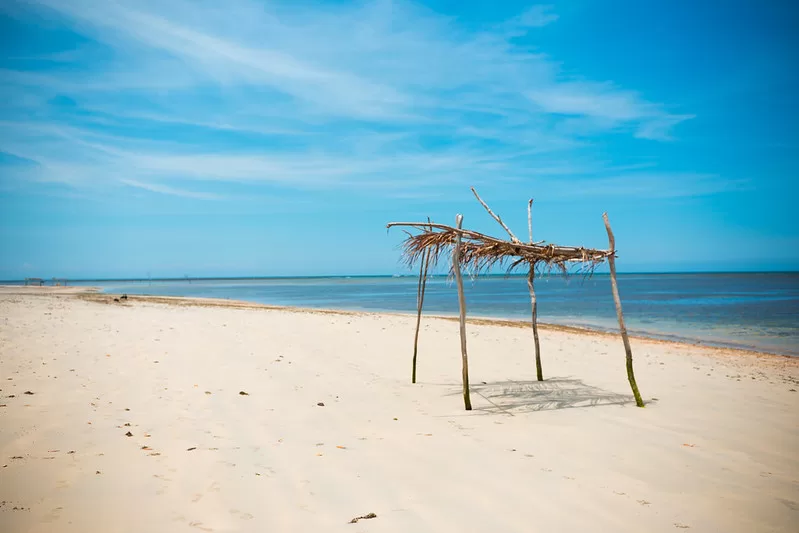
Morro de São Paulo is renowned for its paradisiacal beaches, with crystal-clear waters, white sands, and lush vegetation surrounding the area. The most famous beaches include First, Second, Third, and Fourth beaches, each with its unique characteristics, from lively to tranquil.
The region’s sea is ideal for water sports such as snorkeling, diving, stand-up paddleboarding, and windsurfing. The diversity of marine life, including corals, colorful fish, and turtles, makes exploring the ocean an even more fascinating experience.
Nature and Ecotourism
Beyond the beaches, Morro de São Paulo offers a vast preserved Atlantic Forest area, with trails, waterfalls, and viewpoints that provide panoramic views of the island and the sea. Ecotourism is a growing activity in the region, attracting visitors seeking contact with nature, birdwatching, and outdoor activities.
Environmental preservation is a priority on the island, which seeks to balance tourism development with the conservation of its unique ecosystems. This blend of history, culture, and nature makes Morro de São Paulo a complete and unforgettable destination.
Morro de São Paulo Fortress is much more than an ancient military structure; it is a symbol of Brazil’s history, resilience, and culture. Built in the 19th century, it represents Brazil’s fight to consolidate independence and defend its borders. Its architecture and defensive elements stand as witnesses to a period of conflicts and military strategies that shaped the country’s history.
Today, the fortress is a protected cultural heritage site that attracts tourists from all over the world, offering a unique experience of connecting with history and nature. The paradisiacal beaches, lush vegetation, and breathtaking sea views complement the visit, making Morro de São Paulo an unmissable destination for those wishing to explore Brazil authentically and enriching their experience.
The combination of history, culture, nature, and leisure makes Morro de São Paulo Fortress a true Brazilian treasure, deserving preservation and appreciation for future generations. Whether for learning, exploring, or simply relaxing, visitors find in this location an opportunity to connect with the essence of Northeastern Brazil and its rich history and natural beauty.